Table Of Content

It also promotes decoupling the subsystem from its potentially many clients. On the other hand, if the Facade is the only access point for the subsystem, it will limit the features and flexibility that "power users" may need. The Facade design pattern is a pattern that provides a simplified interface to a complex system. You can use the Facade design pattern when a system is too complex or difficult to understand. A Facade Pattern says that just "just provide a unified and simplified interface to a set of interfaces in a subsystem, therefore it hides the complexities of the subsystem from the client". A facade does not encapsulate the subsystem classes or interfaces.
Facade Class:
For instance, Spring Framework utilizes the Facade pattern to abstract away complex configurations and provide a simplified way of using its features. The JdbcTemplate class is a perfect example of a Facade that hides the complexity of dealing with low-level database operations. As an intermediary, the facade object ensures that access and communication with the individual components of a subsystem are simplified and direct dependence on these components is minimized. It delegates the client calls so clients don’t need to know the classes or their relationships and dependencies.
Key Component of Facade Method Design Pattern in Java
It gives us easy to use interface, without worrying about the complexity of all other car systems. But the facade will simplify this and just provide "watch ESPN" function to the client. We can take the example of UserInterface here UI is Facade and the code, api server side programming all the thing comes in Sybsystem class.
Unified Access Point:
However, we can introduce a Facade class, "SmartHomeFacade," to simplify interaction with these subsystems. Suppose we are developing a home automation system that controls different aspects like lighting, music, and climate. Each of these subsystems is complex and consists of various classes.
Structural Design Patterns
A customer in a restaurant orders food from the menu, which is probably described in half a line. The order goes to the kitchen and the food comes back after a while. The customer doesn’t want to know who will cut the meat for how long will it be cooked and who is going to wash the dishes afterward. The customer just wants to eat a tasty meal that meets the expectations. Therefore, the menu serves as the facade to make it easier for the customer by avoiding the complexities coming from the kitchen or even the tasks that the waiter is assigned through this process.
From this, It is clear that the complex implementation will be done by HotelKeeper himself. The client will just access the HotelKeeper and ask for either Veg, NonVeg or VegNon Both Restaurant menu. Similarly, the Restaurant are of three types and can implement the hotel interface. Veg restaurants, Non-Veg restaurants, and Veg/Non Both restaurants.
Patterns from "SOA Design Patterns" by Thomas Erl, Part 2 - InfoQ.com
Patterns from "SOA Design Patterns" by Thomas Erl, Part 2.
Posted: Mon, 21 Sep 2009 07:00:00 GMT [source]
The web site may require only limited access to this business logic. For example, the web site may need to show whether an item for sale has reached a limited level of stock. The IsLowStock method of the facade class could return a Boolean value to indicate this.
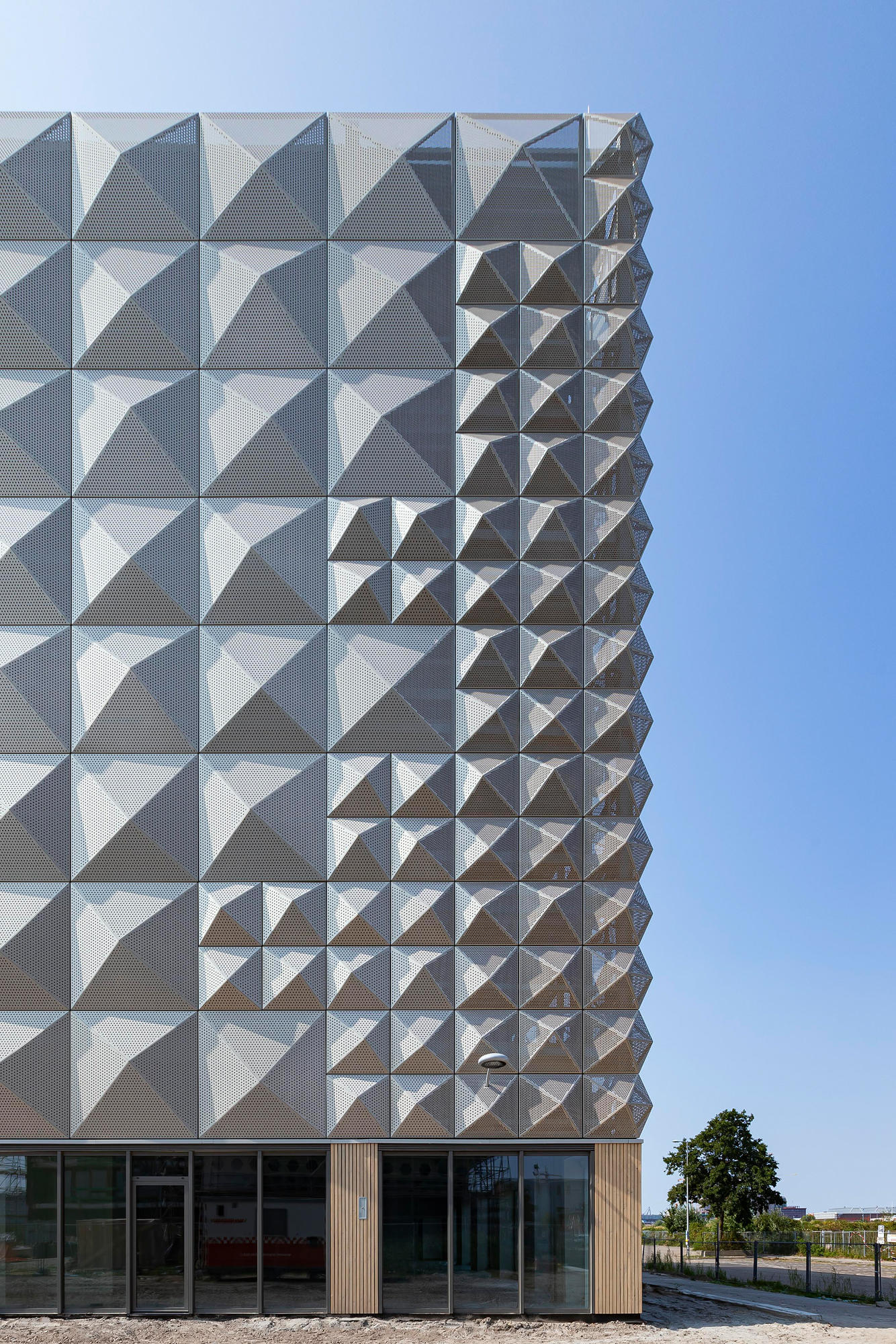
Marcel Wanders wraps Louis Vuitton Miami store in diamond facade - Dezeen
Marcel Wanders wraps Louis Vuitton Miami store in diamond facade.
Posted: Sat, 29 Jan 2022 08:00:00 GMT [source]
Solution
When applying strategy design patterns, developers utilize proven know-how. Facade pattern hides the complexities of the system and provides an interface to the client using which the client can access the system. This type of design pattern comes under structural pattern as this pattern adds an interface to existing system to hide its complexities. In software terms, Facade pattern hides the complexities of the systems and provides a simple interface to the clients. C# Facade Pattern is used in hiding complexity of large systems and provide simpler interfaces.
Pitfall: Overusing Facades
In software development, an anti-pattern is a solution to a recurring problem that is usually ineffective and risks being highly counterproductive. Unfortunately, they are also a frequent way to solve a problem. The Abstract Factory design pattern is a creational design pattern that allows for creating objects that belong to a common family without specifying the concrete classes of those objects. Defining keywords is the secret recipe in this series of quick-guides. This method helped me truly understand the design patterns, hardcode them in my mind and comprehend the differences among other design patterns.

We really do not care what all things go inside the computer hardware and software. Facade also decouples the code that uses the system from the details of the subsystems, making it easier to modify the system later. As the Facade provides a simplified view of the subsystem, thorough documentation is critical.
My name is Kristijan Kralj, and I am a C# software developer with 10 years of experience.I have worked on various software projects ranging from simple programs to large enterprise systems. As a developer, I have acquired a wealth of experience and knowledge in C#, software architecture, unit testing, DevOps, and Azure. I enjoy working on complex systems that require creative solutions.When I'm not glued to my computer screen, I like to spend time with my wife and two kids. The Facade design pattern is an excellent way to decouple your code and make it more maintainable. If you need to expose the functionality of a complex system to third parties, the Facade pattern is a good choice.
In a team of developers who agree to use the same patterns it improves efficiency and understanding when maintaining each others code. In a mediator pattern implementation, subsystems are aware of the mediator. The Facade pattern shines in dealing with legacy systems — older systems that may be difficult to work with due to outdated technologies, tangled codebases, or lack of documentation. By introducing a Facade, we can encapsulate the complexities of the legacy system and make it easier to interact with.
It is a very common thing to misuse a pattern or trying to fit it to some problem just because you know it. Be aware of those pitfalls while learning\using design patterns. You are working on a multimedia application that handles various types of media, including audio files, video files, and image files. The application needs to provide a simple and unified interface for playing audio, video, and loading images. To understand the facade, let’s take a very simple example of a desktop computer machine. When we have to start a computer, all we have to do is press the start button.




No comments:
Post a Comment